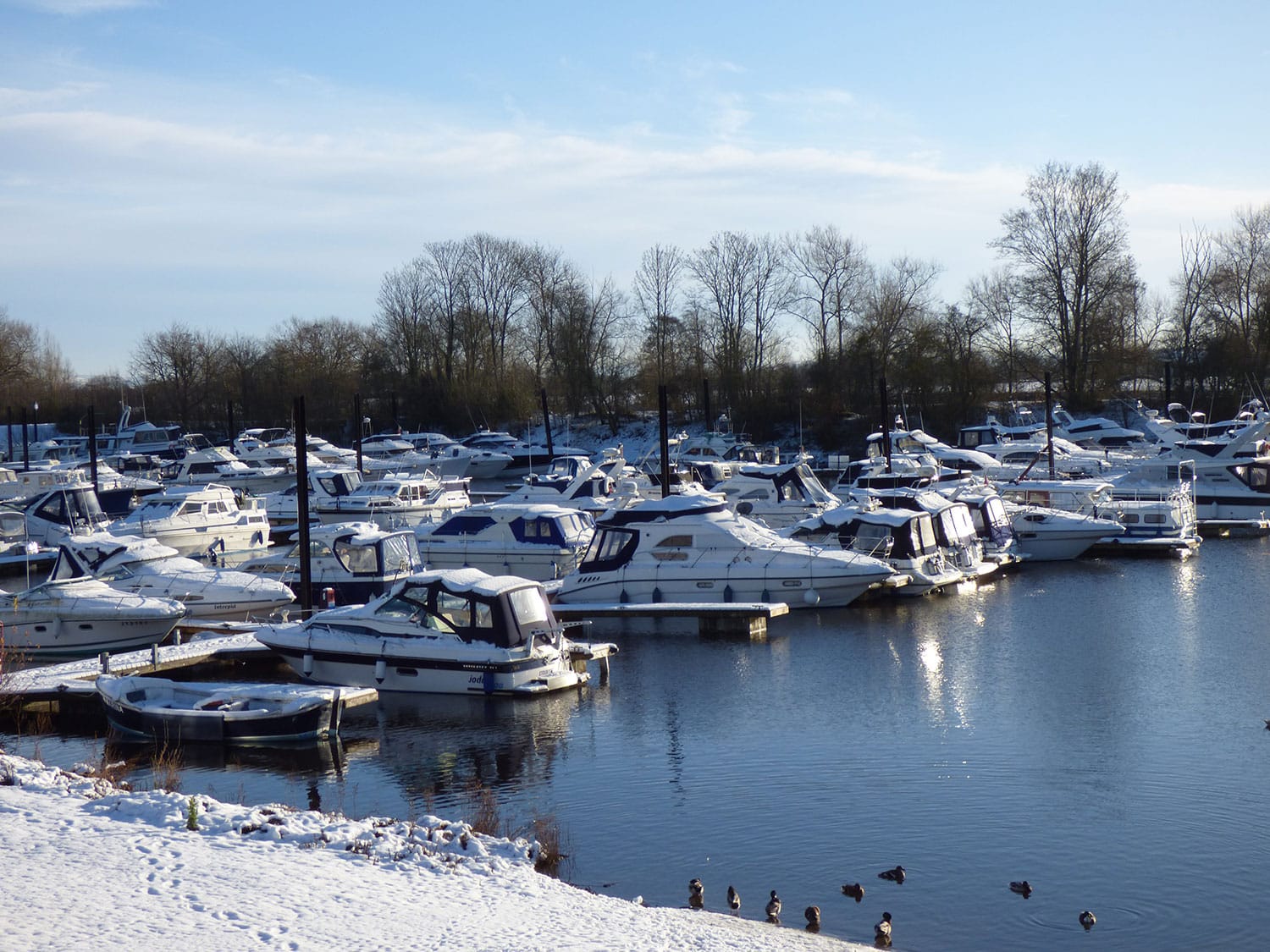
Water Safety: Top Tips for Boating in Winter

24 November 2026

Winter Boating & Marina Safety: 10 Essential Tips for Boat Owners


Winter brings a different kind of beauty to the UK’s waterways. From peaceful cruising and frosty mornings to quieter marinas and beautiful seasonal scenery, there’s plenty to enjoy throughout the colder months.
However, falling temperatures, shorter days and unpredictable weather bring additional challenges for boat owners, whether you’re continuing to cruise or keeping your boat safely berthed until spring.


At Tingdene Marinas, we want all our berth holders and visitors to enjoy the winter season safely. With a little preparation and regular maintenance, you can help protect yourself, your passengers and your boat.
Here are our 10 essential winter boating and marina safety tips to keep in mind this season.


1. Check the weather before heading out

Winter weather can change quickly, making it particularly important to plan ahead.

Before setting off, check the latest weather forecasts, daylight hours, water levels and any navigation restrictions along your planned route. Strong winds, heavy rainfall, fog and freezing temperatures can make even familiar waterways challenging.


• Check local weather forecasts and navigation notices.
• Allow plenty of time to return before dark.
• Be aware of strong currents, flooding and changing river levels.
• Avoid cruising in icy conditions or when waterways are frozen.
• Postpone your journey if conditions are unsafe.

Remember, there’s no harm in waiting for better weather!


2. Wear appropriate clothing and a lifejacket

Staying warm and dry is essential when spending time on or around the water during winter. Wear several layers, including thermal clothing and a waterproof outer layer, and choose sturdy, non-slip footwear with good grip.
Wet and icy pontoons, decks and walkways can be particularly slippery, so take extra care when boarding or leaving your boat.

Always wear a properly fitted lifejacket or suitable personal flotation device when the risk assessment calls for one, particularly when cruising, working on deck or moving around exposed areas. Check that it is in good condition and serviced according to the manufacturer’s guidance.


3. Understand cold water shock and hypothermia

Cold water shock is one of the biggest dangers associated with winter boating. Sudden immersion in water below 15°C can trigger involuntary gasping, rapid breathing and a loss of control, even in experienced swimmers.

If you unexpectedly fall into cold water, remember the RNLI’s Float to Live advice:

• Try to remain calm and resist the urge to thrash around.
• Lean back, extending your arms and legs to help you float.
• Gently move your limbs as needed to stay afloat.
• Focus on controlling your breathing before attempting to move to safety.

Hypothermia is another serious risk. Warning signs can include shivering, confusion, slurred speech, exhaustion and slow breathing.
If you suspect hypothermia, seek urgent medical assistance, move the person into shelter if safe, remove wet clothing and wrap them in dry layers. Avoid rapid reheating or giving food or drink to anyone who is drowsy or not fully alert.

Visit the NHS website for advice.


4. Check your mooring lines and fenders

Winter storms, strong winds and changing water levels can put additional strain on your boat’s mooring arrangements. Regularly inspect mooring lines for wear, fraying or damage and ensure they are appropriately secured, with enough allowance for changing water levels where necessary. Check that your fenders are correctly positioned and adequately inflated to help protect your boat from contact with pontoons or neighbouring vessels.
If you’re unable to visit your boat regularly, consider arranging for someone you trust to check it following severe weather.


5. Protect your boat against freezing temperatures

Freezing weather can cause significant damage to engines, plumbing and onboard water systems if appropriate precautions aren’t taken.

Before temperatures drop, review your boat’s winterisation requirements, including:
• Draining or protecting freshwater systems where appropriate.
• Checking engine coolant and antifreeze protection.
• Protecting exposed pipes, taps and fittings.
• Checking batteries and charging arrangements.
• Ensuring bilge pumps and float switches are operational.

Winterisation requirements vary depending on your boat’s engine, equipment and whether it remains in use, so always follow manufacturer guidance or seek advice from a qualified marine engineer.


6. Take care with onboard heating and electrical equipment

Heating can make winter boating much more comfortable, but it’s essential to use onboard systems safely. Ensure heaters, stoves and fuel-burning appliances are properly installed, maintained and adequately ventilated.

Carbon monoxide is particularly dangerous because it cannot be seen or smelled.Install and regularly test a suitable marine carbon monoxide alarm, alongside appropriate smoke alarms, and never use outdoor heaters, barbecues or cooking appliances to heat enclosed cabins.

If using shore power, inspect cables and connections for damage and ensure all equipment is suitable for marine use.


7.  Keep decks and pontoons clear

Frost, ice and wet leaves can create slippery surfaces around boats and marina walkways. Take your time when walking along pontoons, particularly early in the morning or after freezing overnight temperatures.
Keep your boat’s deck and access points clear of unnecessary equipment, loose ropes and other trip hazards. Avoid attempting to clear ice from unsafe or inaccessible areas, and never step onto frozen marina or river water.
If you notice a hazardous area or damaged marina equipment, report it to your marina team.


8. Keep emergency essentials onboard

Whether you’re planning a winter cruise or simply spending time aboard, having the right emergency supplies can make all the difference.

Consider keeping the following onboard:
• A fully charged mobile phone and backup power bank.
• A suitable first aid kit.
• Warm blankets and spare dry clothing.
• A waterproof torch with spare batteries.
• Drinking water and non-perishable food.
• Appropriate emergency communication and signalling equipment for your cruising area.

Before setting off, tell someone ashore where you’re going and when you expect to return.

In a water emergency, call 999 or 112 and ask for the Coastguard for coastal incidents, or the Fire and Rescue Service for inland water emergencies.


9. Check on your boat throughout winter

Even if you’re not planning to cruise until spring, it’s important not to forget about your boat during the colder months. Regular visits can help identify potential problems before they become more serious.
Check for water ingress, condensation, mould, battery issues and signs of damage following adverse weather. Ensure covers and canopies are secure, drains and scuppers remain clear, and bilges are checked regularly.


If you’re leaving your boat unattended for an extended period, make sure it is appropriately prepared for the conditions and that your marina has up-to-date contact details.


10. Stay informed and look out for one another

One of the greatest benefits of marina life is being part of a boating community.

During winter, looking out for fellow berth holders and reporting potential hazards can help keep everyone safe. Pay attention to marina notices, local weather warnings and any temporary restrictions affecting access or facilities.

If you notice a neighbouring boat with loose mooring lines, a damaged cover or another potential issue, let the marina team know. A little extra care can go a long way.


Enjoy winter with Tingdene Marinas

Whether you’re enjoying a peaceful winter cruise, spending a cosy weekend onboard or preparing your boat for spring, a few simple precautions can help you make the most of the season.
Across our 12 Tingdene Marinas, our teams are on hand to assist with marina-related enquiries, while selected locations offer facilities and services to support boat maintenance and winter preparations.
If you have any concerns about your berth, marina facilities or your boat’s safety during the colder months, please speak to your local marina team.
Stay safe, stay prepared and enjoy the winter season with Tingdene Marinas.


Did you know?

  • Among our marina offering, we have onsite chandleries, maintenance, fuel, pump out, lifts, hard standing areas, and slipways across selected marinas, to make those winter jobs and day-to-day tasks a little easier.
  • We have floating pontoons across sites that are prone to flooding, so you have peace of mind that your boat will be safe in all weathers.
  • Our friendly, welcoming communities can keep you company during the colder months on the marina. From organised events to a friendly hello while out on the pontoons, you’ll feel like part of the family in no time.
  • Our marina staff are onsite and on-hand 7 days a week and regularly patrol the site.
  • Our marinas are all nestled within tranquil locations, while also having fantastic access to nearby towns and transport links.
  • Our toilets and showers across our marinas are warm, clean, and modern and launderettes on selected sites allow you to get laundry done just steps away from your boat.
  • We have restaurants on or nearby all our marinas, perfect for socialising or having a night off cooking.
  • Our boat sales offices are based at all ten of our marinas, so all your marine needs are in one place.


Contact us today to see how a safe and secure marina can make your winter boating experience as easy as possible.

Stay safe, and happy boating!

Latest articles

BLACK FRIDAY OFFER: FREE ANNUAL MOORING!

BLACK FRIDAY OFFER: FREE ANNUAL MOORING! Enjoy 12 Months Free...

Read more

130 Years of ‘The Boathouse’ at Walton Marina

130 Years of ‘The Boathouse’ at Walton Marina Nestled on...

Read more

Related articles

Embrace Winter Mooring with Tingdene

A cosy haven for narrow boat enthusiasts As the crisp winter air descends and frost delicately blankets the waterways, the

Read more
24 November 2026

Preparing for the Cold: How to Winterise Your Boat

With the Autumnal nip now in the air, we don’t have long left until winter is upon us. The UK’s

Read more
24 November 2026
Get your berthing quote Finance calculator
Tingdene Marinas & Boat Sales
Privacy Overview

This website uses cookies so that we can provide you with the best user experience possible. Cookie information is stored in your browser and performs functions such as recognising you when you return to our website and helping our team to understand which sections of the website you find most interesting and useful.

BLACK FRIDAY OFFERFree annual mooring with every new in-stock boat. Ends 30 Nov.Find out more ›